The Galápagos: Why a Small Ship Is One of the Best Ways to Experience the Islands
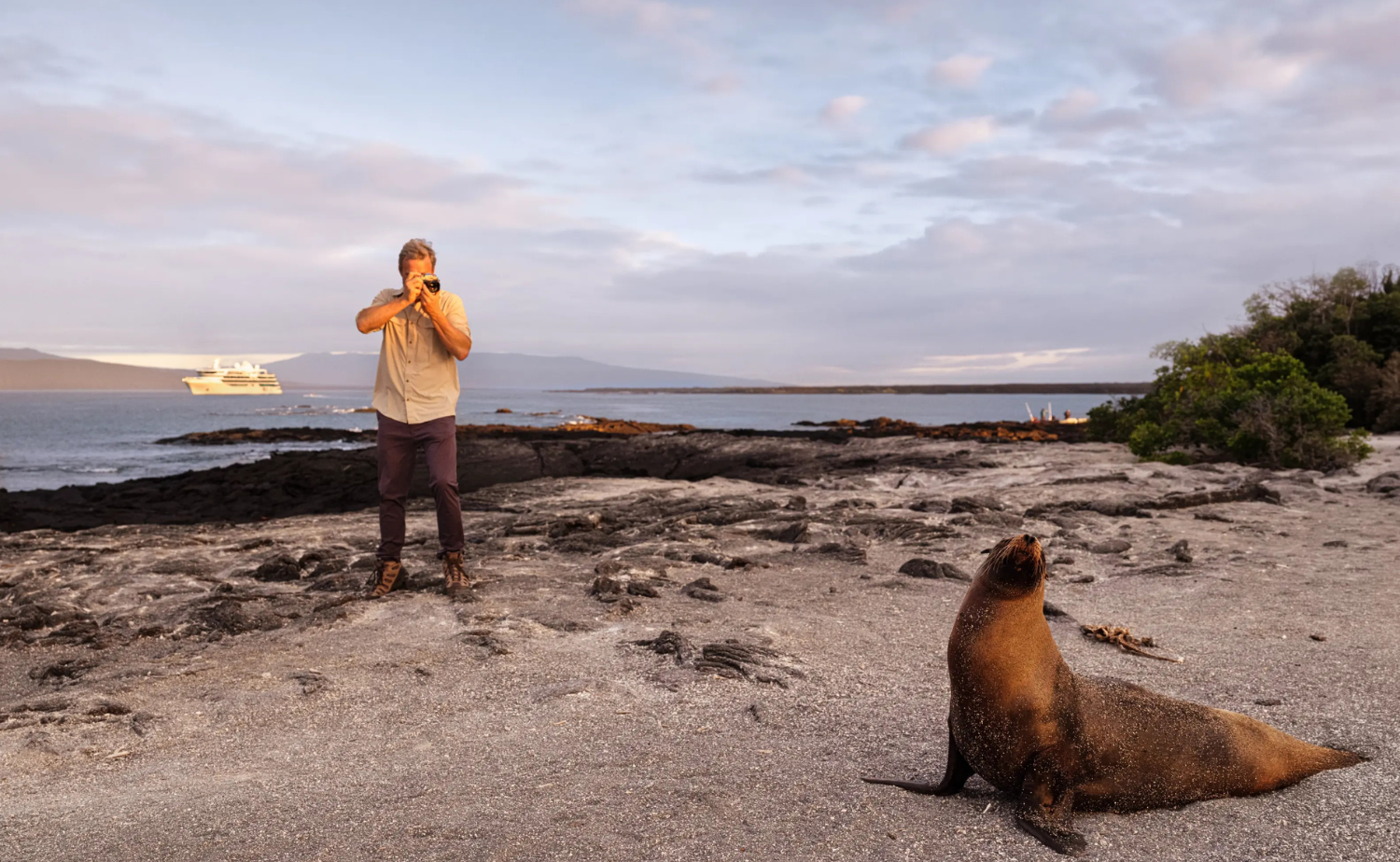
In the Galápagos, extraordinary wildlife encounters are part of the everyday experience.
There are destinations where the ship is simply one of many good ways to travel. And then there’s the Galápagos, where the ship can completely change what you’re able to experience.
If last week’s look at Antarctica Expedition Cruising had you thinking about smaller ships and bigger adventures, the Galápagos takes that idea in a completely different direction. Here, small ships aren’t just about having fewer passengers or a more intimate onboard experience. They allow you to move between islands, wake up somewhere new each morning, and reach wildlife and landscapes that can be difficult to experience on a land-based vacation.
For many travelers, that makes a small ship one of the best ways to experience the Galápagos.
Why the Galápagos Is Unlike Anywhere Else You’ll Cruise
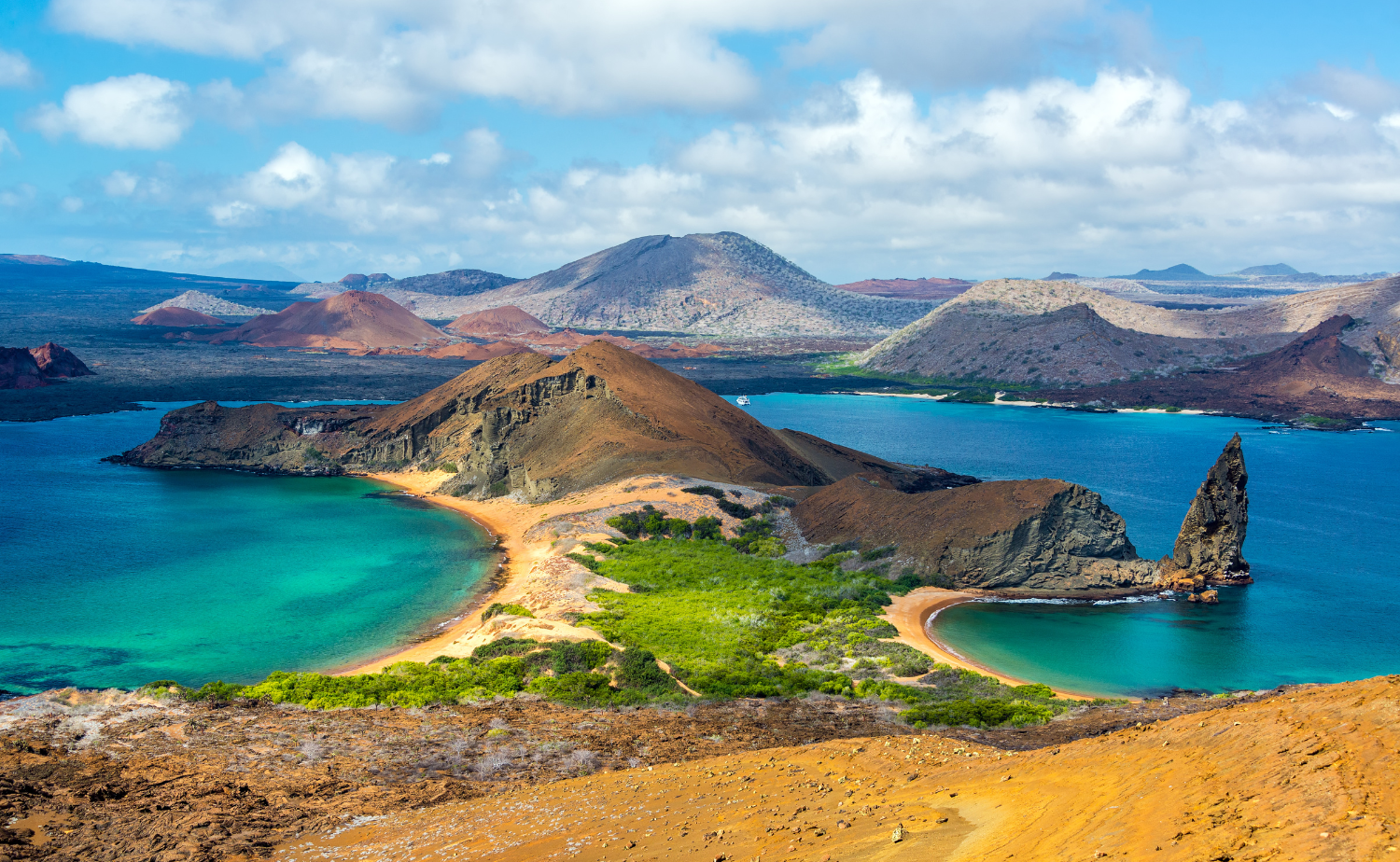
The Galápagos Islands are a protected world of volcanic landscapes, remote coastlines and remarkable wildlife.
The islands sit roughly 600 miles off the coast of Ecuador, and most of the archipelago is protected as a national park. Visitor access is carefully regulated to protect the wildlife and landscapes that make the Galápagos so extraordinary.
Ships are limited to no more than 100 passengers, travelers go ashore in small groups with certified naturalist guides, and itineraries and landing sites are regulated by the Galápagos National Park.
In other words, the megaship version of the Galápagos simply doesn’t exist.
If you read Beyond the Big Ships, you already know how much I think ship size can change a cruise experience. In the Galápagos, that becomes even more important because your ship isn’t simply where you sleep. It determines where you go, what you see, and how you experience the islands.
Cruise vs. Land-Based: Why I’d Consider the Ship First
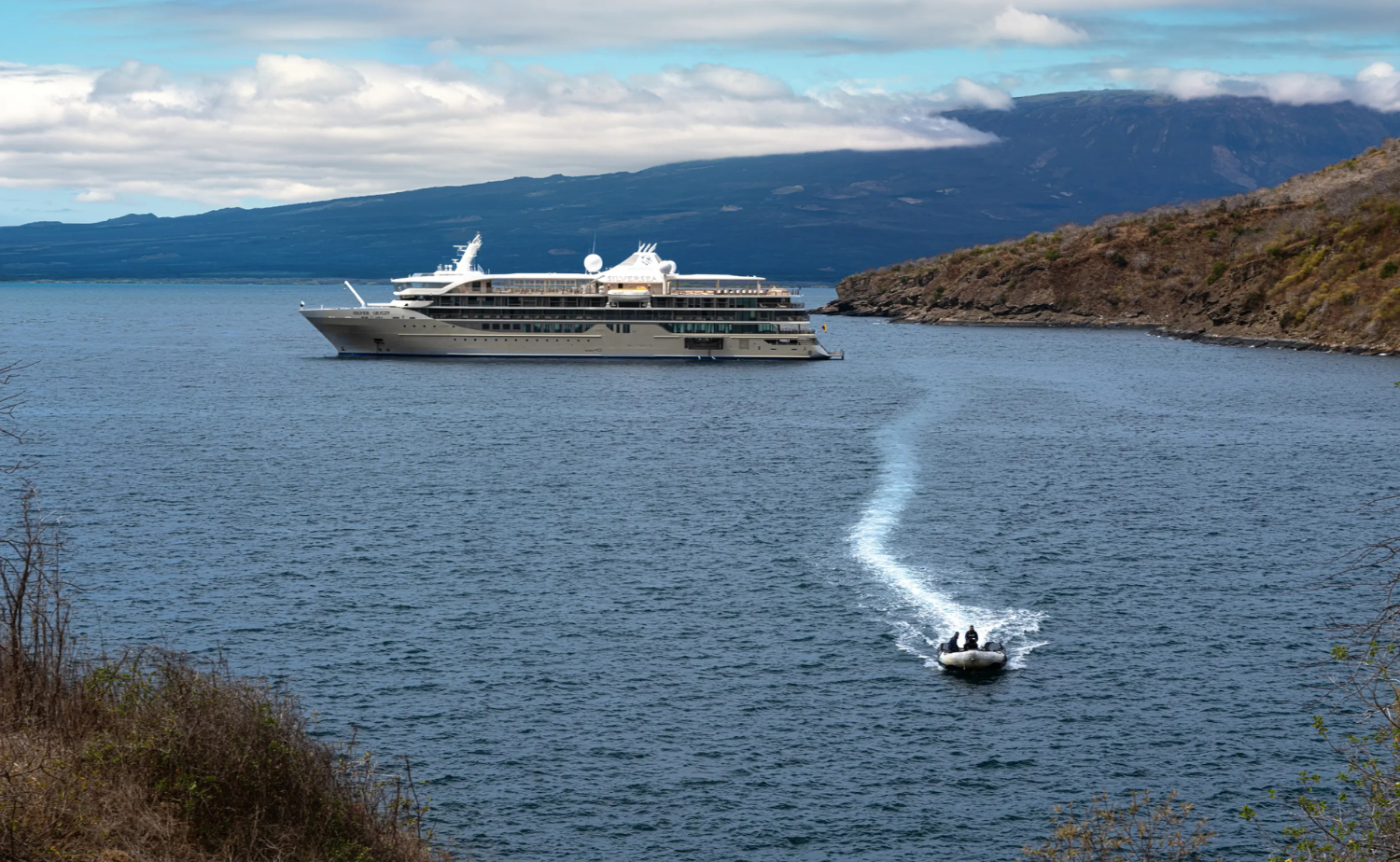
A small ship can reach more remote areas of the Galápagos while becoming your home base between daily adventures.
There are two primary ways to experience the Galápagos: stay in a hotel on one of the inhabited islands and take day trips, or sail between the islands aboard a small ship.
A land-based trip can absolutely be the right choice. It may offer more flexibility, keep you on solid ground each night, and work well for travelers who prefer a slower pace. The trade-off is access. From a hotel, you’re generally exploring places you can reach and return from in a day.
A small ship can travel while you sleep, putting more remote islands and landing sites within reach without constantly packing, unpacking, or retracing your route. You might go to bed in one location and wake up somewhere completely different. For travelers whose priority is seeing as much of the wildlife, landscapes, and remote corners of the Galápagos as possible, that’s a pretty compelling advantage.
What a Day in the Galápagos Actually Looks Like
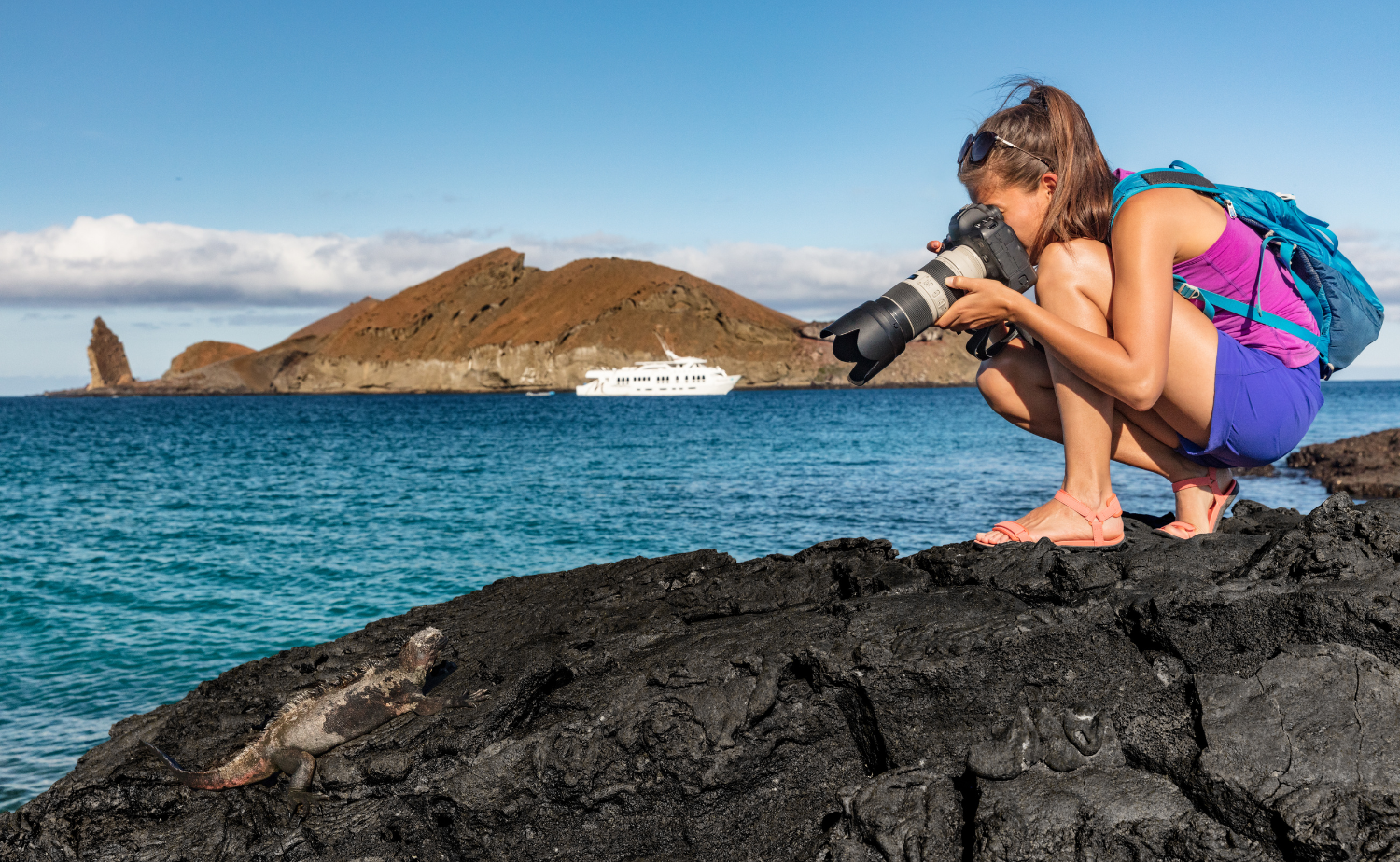
Days in the Galápagos are built around getting out and experiencing the islands and their wildlife up close.
One of the things I love about this style of travel is how active and personal the days can feel. You might begin with a morning landing to walk among nesting seabirds, giant tortoises, or a colony of sea lions. Then it’s back aboard for lunch while the ship repositions before heading out again for snorkeling, kayaking, or a panga ride along the shoreline.
And the wildlife isn’t something you’re viewing from a distance. The Galápagos is famous for animals that are remarkably unbothered by human visitors. Depending on your route and season, you may encounter marine iguanas, blue-footed boobies, Galápagos penguins, sea lions, giant tortoises, and countless other species. In the water, you might find yourself snorkeling alongside sea turtles, rays, or sea lions.
Nothing is guaranteed, of course, but that’s part of the experience. You’re not moving from attraction to attraction. You’re exploring a living ecosystem with a naturalist who can help you understand what you’re seeing along the way.
Choosing the Right Ship and Route
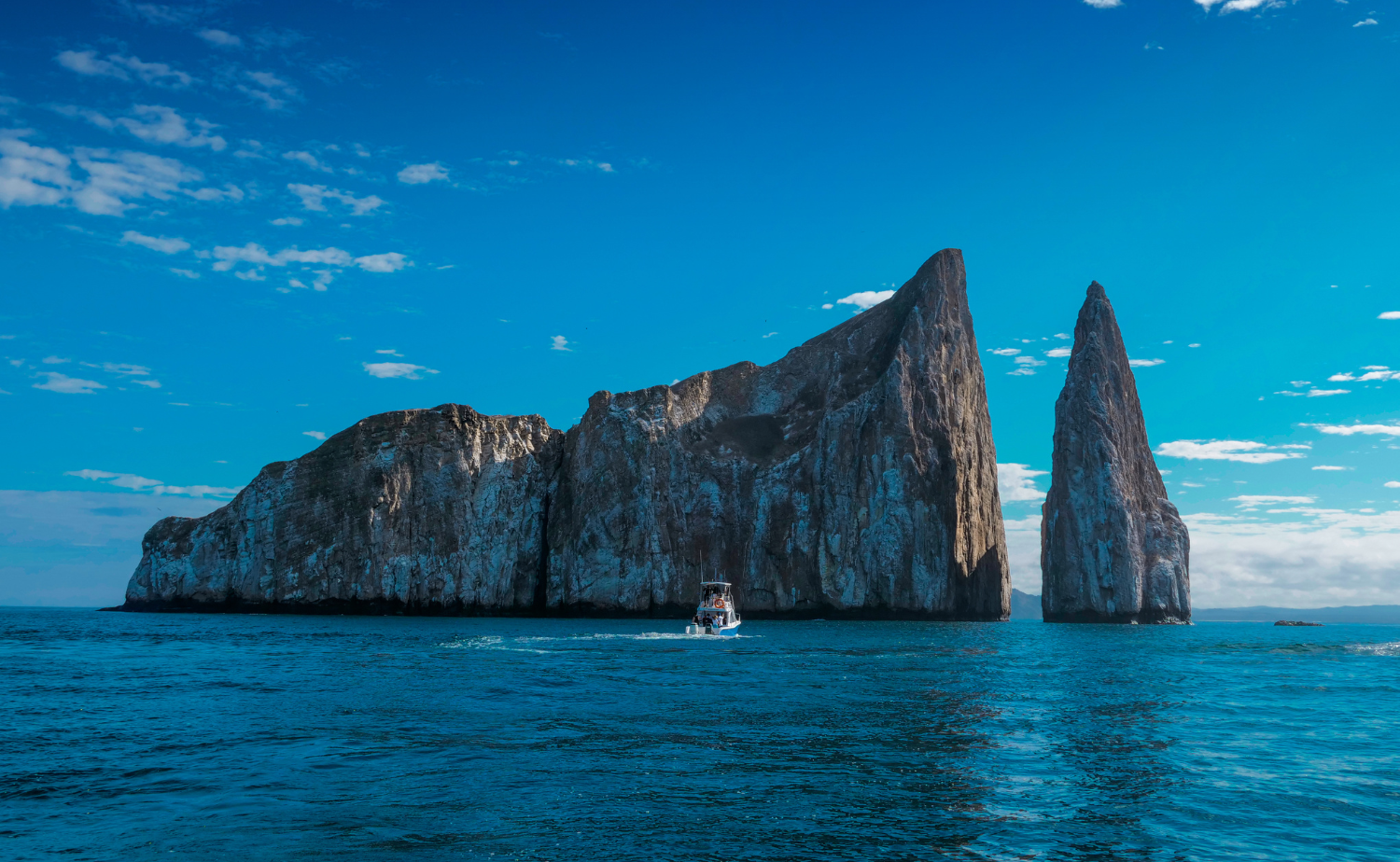
Your Galápagos route helps determine the landscapes, landing sites and wildlife you'll experience along the way.
This is where Galápagos planning gets interesting. Because every ship follows a park-approved itinerary, your route matters just as much as the vessel itself. Different areas of the archipelago offer different landscapes and wildlife, so I wouldn’t necessarily start by choosing the prettiest ship.
I’d start with what you want to experience.
Then we can look at the ships that can take you there. A few things are especially important:
Ship size and style. Even the largest Galápagos ships carry no more than 100 guests, while smaller yachts and catamarans may carry just a few dozen. Larger vessels can offer more amenities and stability, while smaller ships create a particularly intimate experience. Neither is automatically better; it depends on how you want to travel.
Season. There really isn’t one universally “best” time to visit. Different seasons bring changes in weather, water conditions, and wildlife activity, so timing should reflect what matters most to you.
Length. Galápagos sailings vary considerably in length. For a first trip, I generally like the idea of giving yourself enough time to settle into the rhythm of the islands rather than trying to squeeze the experience into just a few days.
And small doesn’t necessarily mean basic. Luxury cruise lines have purpose-built expedition ships sailing in the Galápagos, so travelers who want beautiful accommodations, excellent service, and more inclusions don’t have to give those things up to have an adventurous experience.
Is a Small-Ship Galápagos Cruise Right for You?
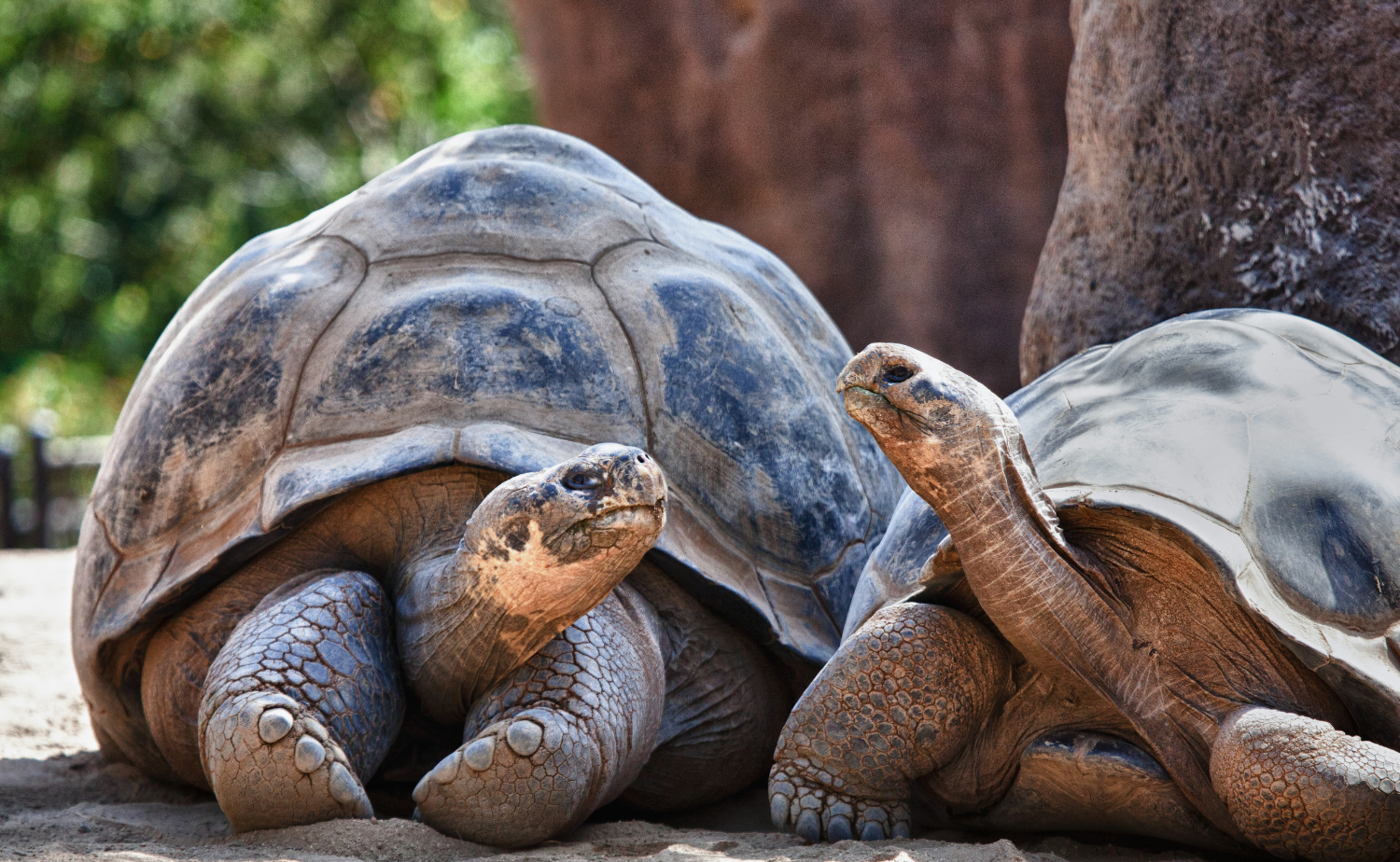
Giant tortoises are among the iconic species travelers may encounter while exploring the Galápagos.
A Galápagos cruise may be a great fit if wildlife and nature are the reason you’re traveling, you like the idea of being active during the day, and you’d rather unpack once and let your ship take you deeper into the islands. A land-based stay may make more sense if you want greater flexibility, prefer sleeping on solid ground, or simply want a different pace.
There isn’t one version of the Galápagos that’s right for everyone. But for travelers who have dreamed about getting beyond the inhabited islands and experiencing the wildlife and landscapes that make this destination so extraordinary, a small ship is certainly where I’d start the conversation.
It gets you into remote coves and landing sites, keeps you close to the wildlife, and turns the complicated logistics of moving through the archipelago into part of the experience.
Sometimes the smallest ships really do open up the biggest adventures.
At Castaway Destinations, we can help you pair your wish list with the right cruise line and destination partners to create a Galápagos experience that fits the way you want to travel. For a journey this unique, choosing the right ship, itinerary, and timing can make all the difference.
Ready to start dreaming about your own Galápagos adventure? Let’s start planning!
Follow Us on Instagram for More Travel Inspiration!