Experiencing Disneyland Together: One Family’s Accessibility Story
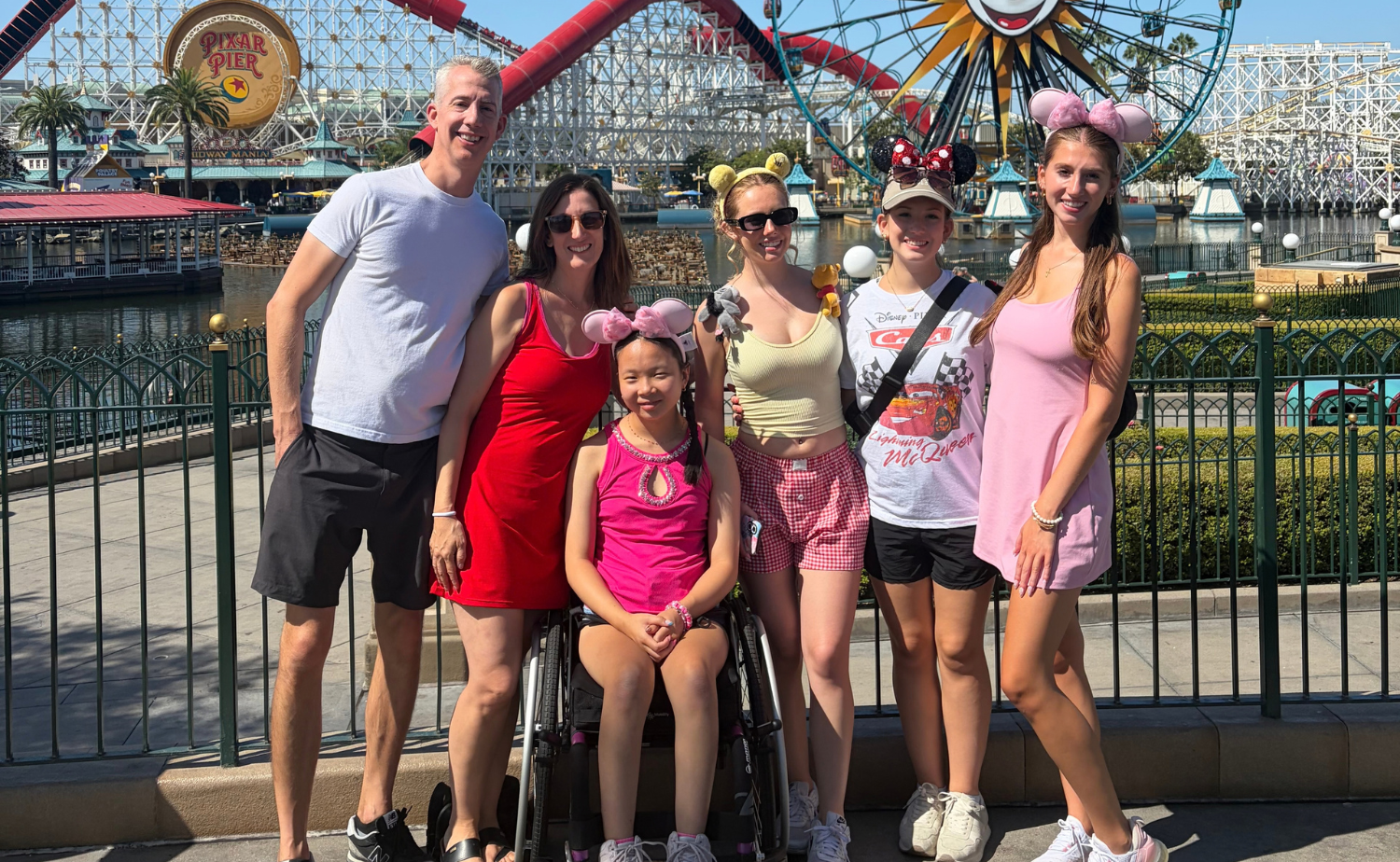
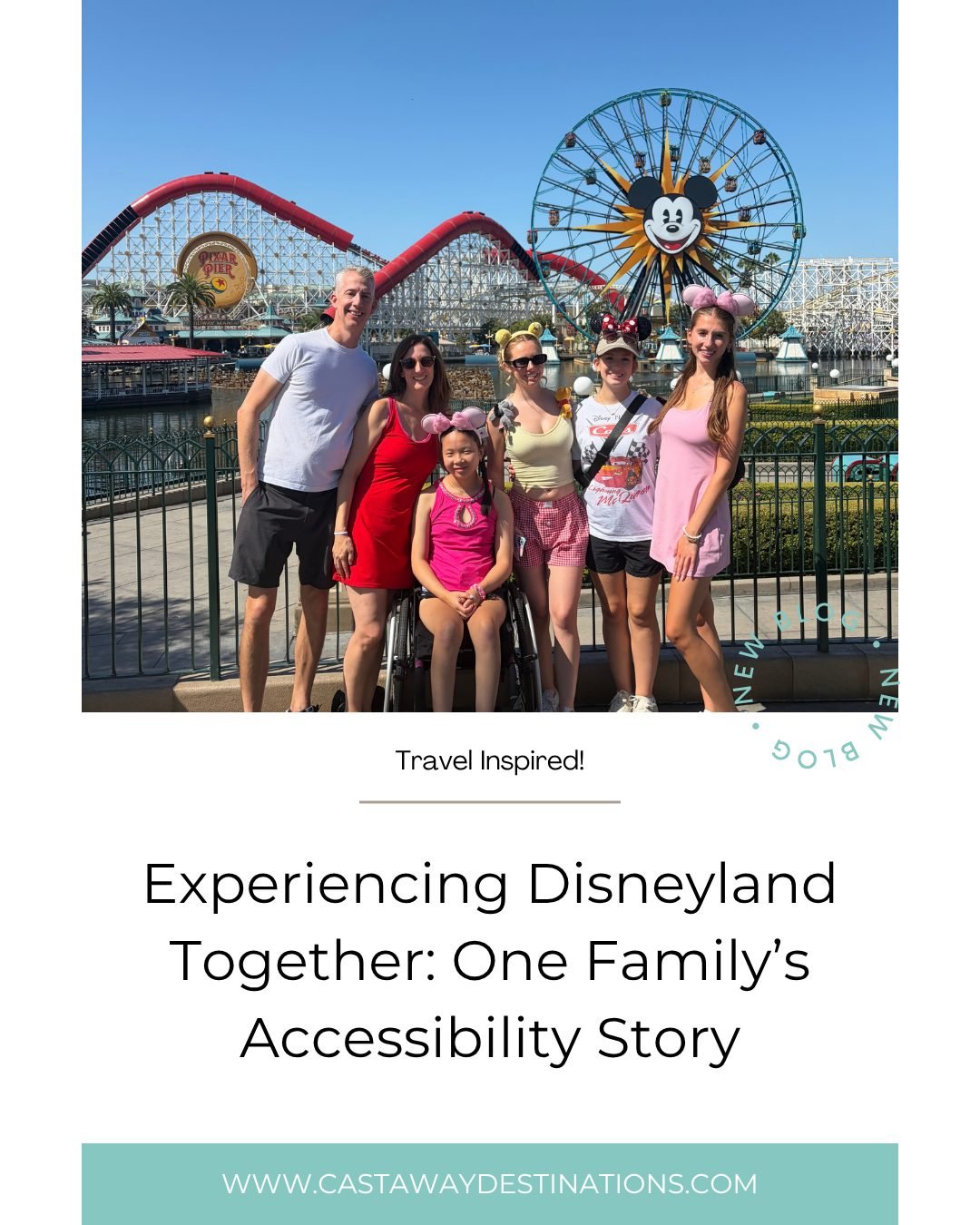
For Katie’s family, the magic of Disneyland was being able to experience the parks together.
Planning a Disney vacation comes with plenty of questions. But when someone in your family uses a wheelchair or has additional accessibility needs, there can be another layer entirely. Will a wheelchair fit through the queues? How will boarding rides work? Will your family be able to experience attractions together? And what accommodations should you research before you go?
Those weren't hypothetical questions for my friend and client, Katie. She recently visited Disneyland for the first time with her family, including her 16-year-old daughter, Hannah, who has ataxic cerebral palsy and uses a wheelchair. Their family is accustomed to thinking about accessibility everywhere they go, so Katie expected some of the same challenges they regularly encounter in daily life and while traveling. What they found surprised them—in the best possible way.
The Concerns They Had Before Disneyland
When you regularly navigate the world with a wheelchair, things many travelers never think twice about can become obstacles. Katie mentioned doors that don't open automatically, steps without ramps, restrooms where a wheelchair won't fit, sinks Hannah can't reach, narrow lines, and restaurants where tables are packed too closely together to easily maneuver her chair. Those accessibility hurdles, she said, had simply "become normal to us."
So although they were excited about Disneyland, Katie expected they'd encounter at least some of those same challenges.
"Imagine our surprise and joy when we discovered that none of these accessibility struggles would be struggles at Disneyland!"
And that experience began almost immediately.
What Disneyland Was Like With a Wheelchair
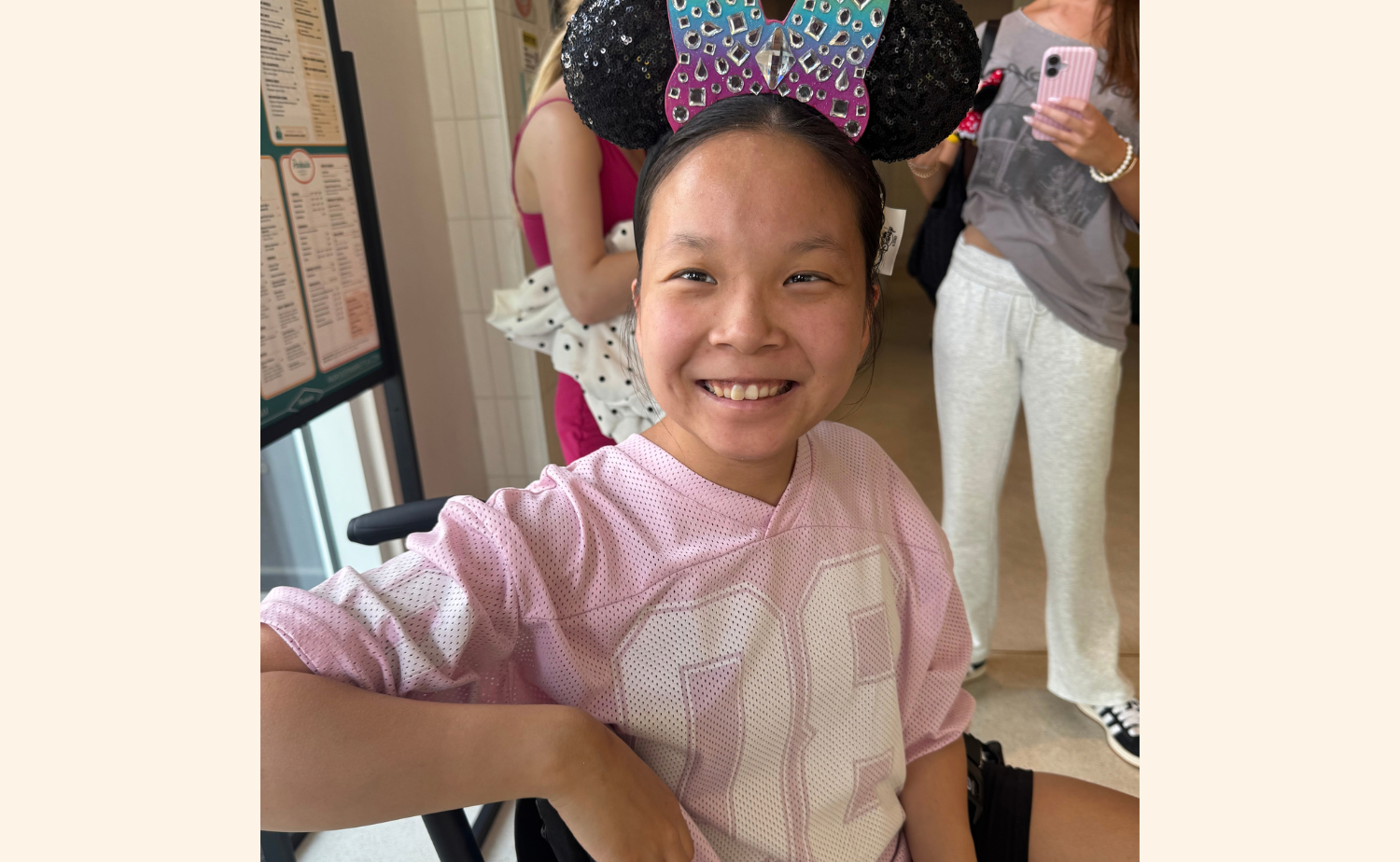
Hannah came home from Disneyland calling it her favorite vacation.
Katie found ramps available for the stores and restaurants they visited and accessible restroom options throughout their days. Attractions were another concern. In many cases, Hannah could take her wheelchair through the regular queue. When that wasn't possible, a Cast Member helped the family use an accessible entrance or boarding procedure.
But the thing that mattered most wasn't simply getting Hannah onto the rides. It was getting their family onto them. At other amusement parks they've visited, accessible boarding procedures have sometimes required their family to separate. At Disneyland, Katie said they were able to stay together when using the accessible options they encountered.
"We have never been to an amusement park where we could experience the park as a family without having to split up due to my daughter's mobility differences."
That is what made this trip different.
Feeling Completely Included
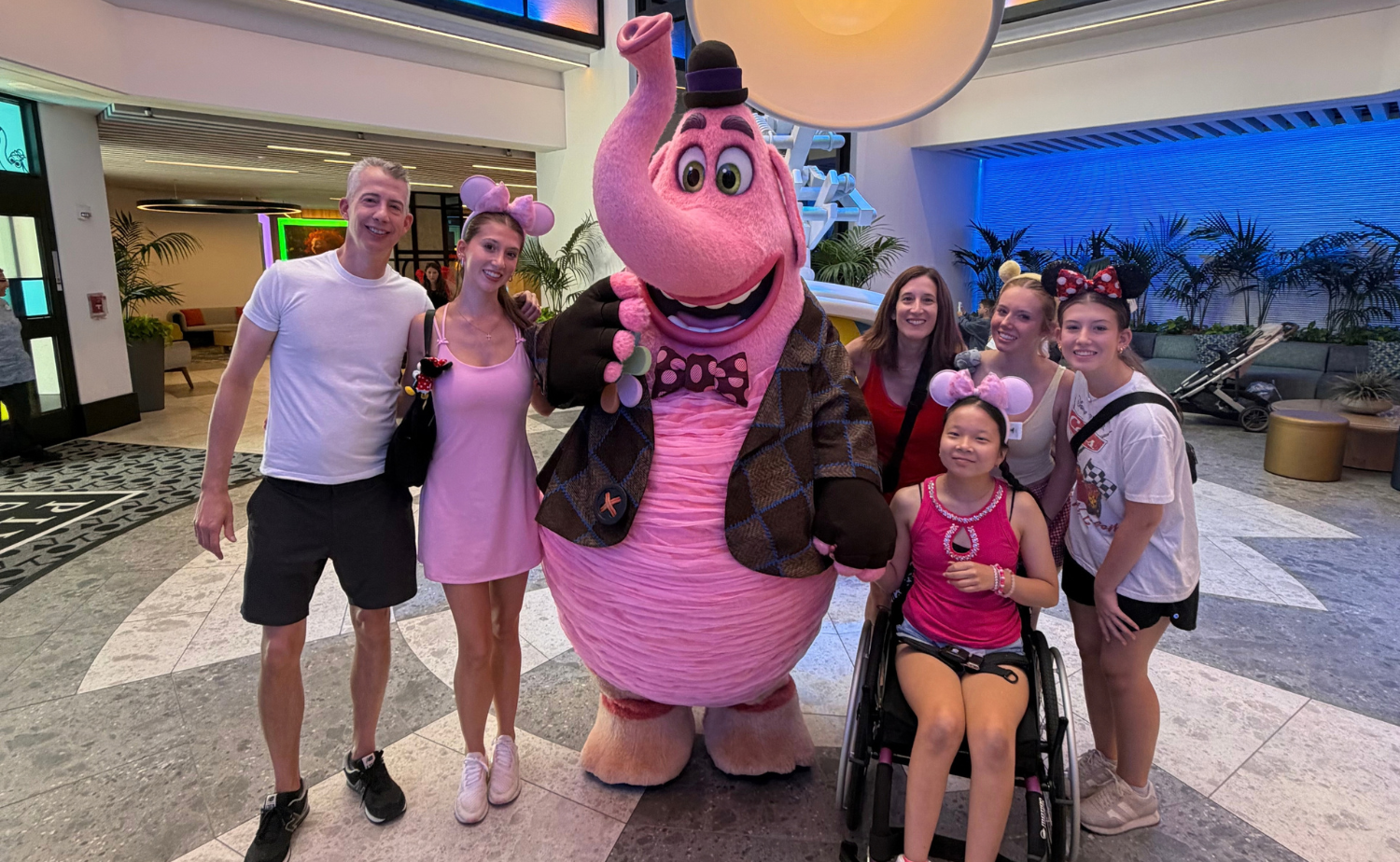
Accessibility throughout the trip allowed Hannah to enjoy the experience alongside her family.
One evening, the family went to see Fantasmic! and discovered a designated viewing area for guests using wheelchairs. Once again, they were able to experience it together. And Hannah noticed the difference, too. Katie told me she recognized that Disneyland had been designed in a way that allowed her to feel included and experience the parks alongside everyone else.
After our initial conversation, Katie sent me one more thought that I think captures their experience better than I ever could:
"Hannah realizing what it’s like to feel completely included, along with our family getting to stay together throughout each park, added to the magic that Disneyland already has. It was an added bonus that none of us truly expected because, honestly, it’s not what daily life is like when you live it with a physical disability. Disney was magical because it provided something that no place ever has for our family."
Hannah's verdict after the trip? It was her favorite vacation.
DAS vs. Disneyland's Built-In Accessibility
Before traveling, Katie researched Disney's Disability Access Service, or DAS, to determine whether Hannah would need it. Ultimately, they decided she didn't. Hannah is able to wait in attraction queues, and their concerns were primarily about navigating Disneyland with her wheelchair. Many of the accommodations she needed were already part of how Disneyland operates.
That's an important distinction. Disney currently describes DAS as a program for eligible guests who, because of a developmental disability such as autism or similar, are unable to wait in a conventional queue for an extended period. DAS doesn't provide immediate attraction access. Instead, eligible guests can request a return time comparable to the current standby wait.
For Hannah, the question wasn't really, "How can we avoid the line?" It was, "Can she navigate the line? Can she safely board the attraction? And can we experience it together?" Katie's family also purchased Lightning Lane access, which she felt was absolutely worth the additional cost for reducing some of their wait times.
A quick note: This DAS information is current as of October 2026. Disney's policies and procedures can change, so always check Disneyland's current Disability Access Service information before your trip.
Katie's Advice for Other Families
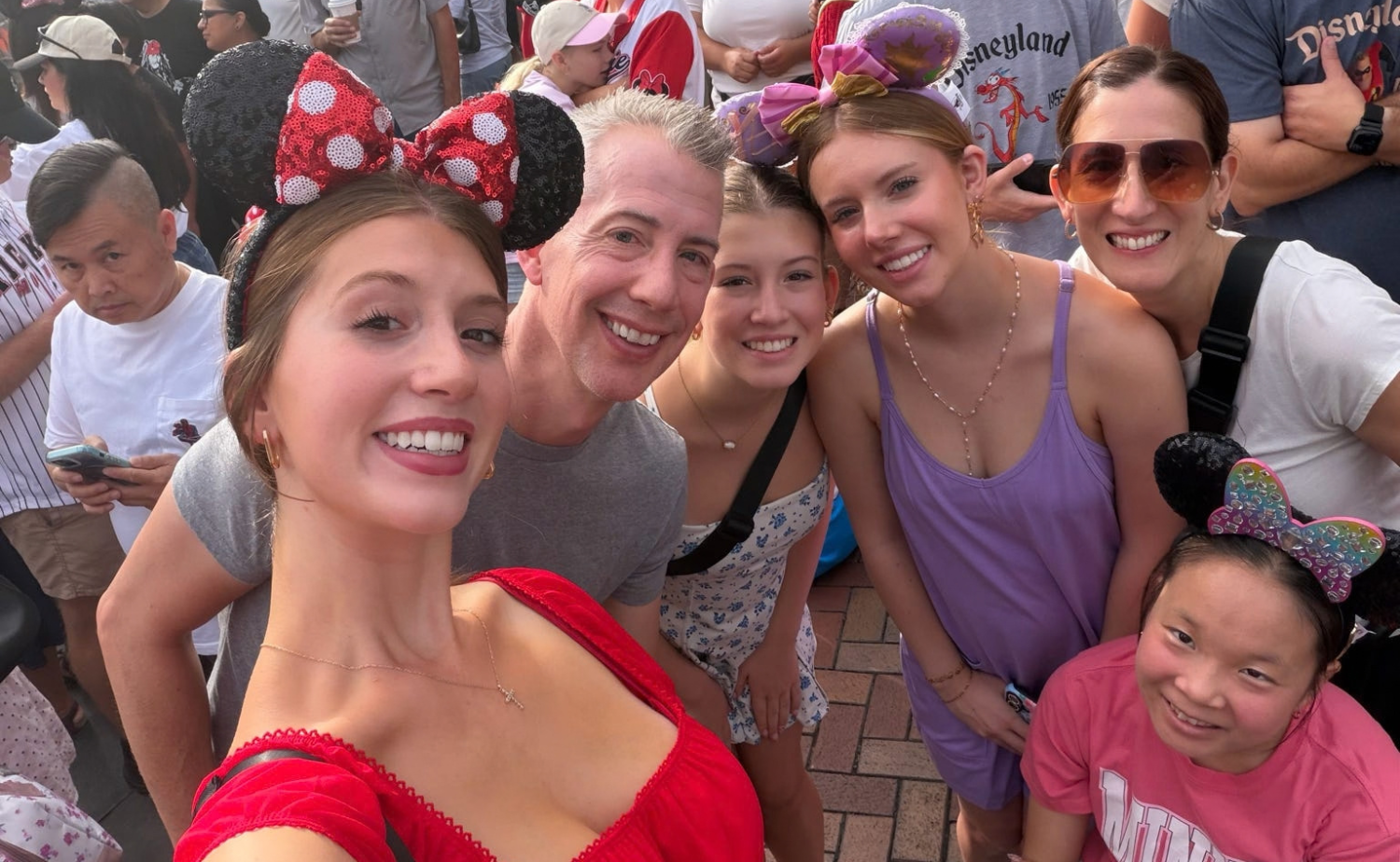
Being able to stay together throughout the parks was an unexpected part of the Disney magic for their family.
Katie had a few practical suggestions for families preparing for a similar Disneyland trip. If waiting in a conventional queue is a concern for someone in your family, research DAS before traveling and determine whether a conversation with Disney makes sense for your family's needs.
She also recommends considering Lightning Lane, using mobile ordering for meals, and giving yourself plenty of patience and flexibility. Disneyland is still a busy theme park, and navigating crowds with a wheelchair can take a little extra time.
But overall, the experience was much easier than Katie had anticipated. As she put it, they didn't leave exhausted from trying to compensate for accessibility challenges.
Planning a Disneyland Trip That Works for Your Family
What I love about Katie and Hannah's story is that this wasn't about creating a separate Disneyland experience for Hannah. It was about Hannah getting to have the same experience with her family.
She didn't come home talking about ramps, accessible entrances, or ride-loading procedures. She came home saying Disneyland was her favorite vacation. And ultimately, that's the goal.
If you're considering Disneyland and aren't sure how your family's mobility or accessibility needs might affect the trip, we can talk about those things before you arrive—from where you stay and how you structure your park days to which tools may make the experience easier.
Because the goal isn't simply to get everyone through the parks. It's to experience the magic together.
Follow Us on Instagram for More Travel Inspiration!